 Skip to Content
48 Hours to Save Evidence for a Florida Dram Shop Claim
Under Florida law, bars, restaurants, and liquor licensees are generally immune from liability when an intoxicated patron hurts someone. Two narrow exceptions break that immunity: willfully and unlawfully serving alcohol to a minor, or knowingly serving someone habitually addicted to alcohol. The controlling law is Fla. Stat. §768.125, and it works alongside the criminal statute at §562.11. If you were hurt because a bar broke one of these rules, preserve evidence fast and talk to a lawyer before the trial goes cold.
TL;DR:
- Florida’s dram shop immunity generally protects licensees from liability unless alcohol is willfully and unlawfully served to minors or habitual addicts.
- Proving such a claim requires clear evidence that service was knowingly illegal and caused the injury, often involving video, IDs, and witness testimony.
- Recent case law allows juries to assign fault to minors served under the underage exception, potentially reducing damages under Florida’s comparative negligence rules.
- Private social host liability remains separate, with no civil liability for serving alcohol at private gatherings unless minors are involved, but criminal charges are possible.
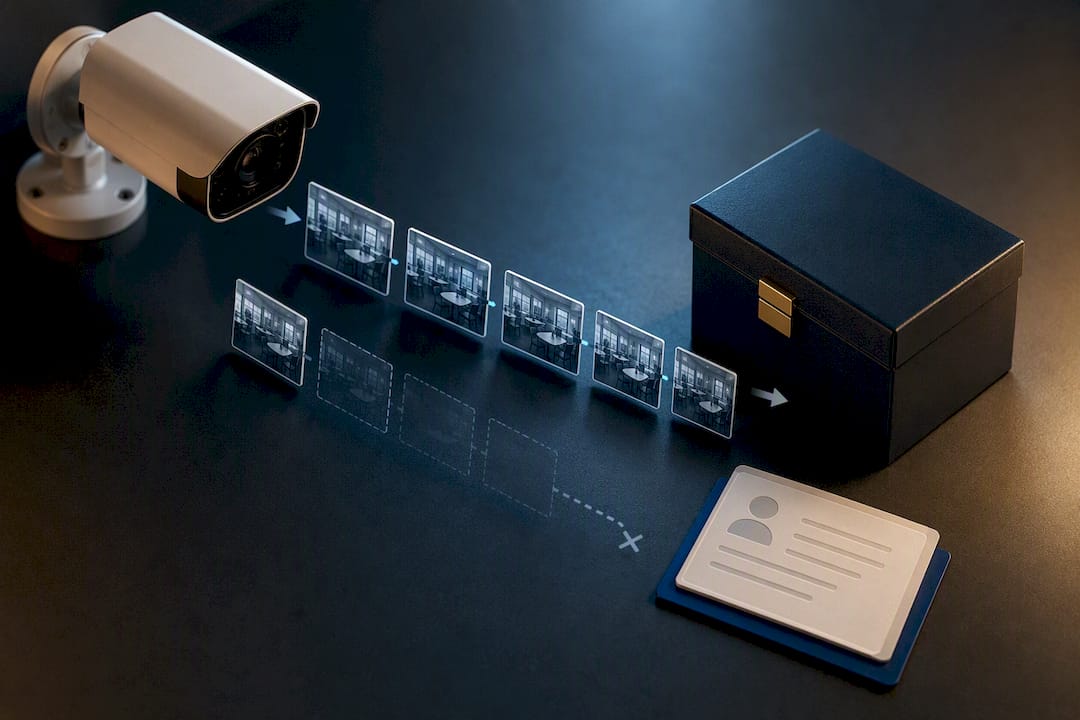
- Injury victims should preserve evidence quickly and consult an attorney within days or weeks, as crucial proof like surveillance footage disappears rapidly.
Table of Contents
- What Does Florida’s Dram Shop Law Actually Say?
- How Do You Prove a Dram Shop Claim in Florida?
- What Do Florida Courts Say About Dram Shop Liability?
- Dram Shop vs. Social Host Liability: What’s the Difference?
- What Should You Do After an Alcohol-Related Injury?
- How Calil Law Evaluates Dram Shop Cases
- Get a Free Case Review From Calil Law
- Authoritative Statutes and Case Law on Florida Dram Shop Liability
- Sources
- FAQ
What Does Florida’s Dram Shop Law Actually Say?
Florida’s dram shop statute starts from a position most people find surprising: bars and restaurants are not liable just because they overserved an adult who then caused harm. The default rule under §768.125 is immunity. Lawmakers built it that way to keep responsibility on the drinker, not the pourer, in the vast majority of cases.
The statute applies to “licensees,” meaning businesses holding a state alcohol license to sell drinks for on-premises consumption. That covers your typical bar, nightclub, restaurant with a full bar, and similar establishments.
The two exceptions are narrow by design:
- The licensee willfully and unlawfully served alcohol to someone under 21.
- The licensee knowingly served someone habitually addicted to alcohol.
Notice what is missing. There is no exception for simply serving a visibly intoxicated adult one drink too many. That scenario, common in other states with broader dram shop rules, generally does not create liability in Florida.
The statute also does not reach packaged sales the same way. A grocery store or liquor store selling a sealed bottle to a customer who later causes a wreck usually falls outside dram shop exposure, since the sale is off-premises and the buyer’s later conduct is harder to tie back to the seller. The official text lives on the Online Sunshine statute page for anyone who wants to read the exact language.
How Do You Prove a Dram Shop Claim in Florida?
Winning under either exception means proving specific, demanding elements. Florida courts don’t hand out liability for a bartender’s bad judgment call. You need proof the vendor crossed a defined legal line.
For the underage exception, you generally must show:
- The patron was under 21 at the time of service.
- The licensee (or an employee) served or furnished the alcohol.
- The service was both willful and unlawful, meaning the staff knew or should have obviously known the patron was underage.
- That service was a legal cause of the resulting injury.
For the habitual addiction exception, you must show:
- The patron had a habitual, chronic pattern of alcohol dependency, not a single night of heavy drinking.
- The licensee had actual knowledge of that pattern, often because the person was a regular.
- Staff served the patron anyway.
- The service caused the injury.
Strong evidence includes ID scanner logs, surveillance footage, POS timestamps showing drink volume, incident reports, and testimony from bartenders, bouncers, or regular patrons who knew the customer’s history. According to Nolo’s legal guide, the entire case usually turns on what “willfully and unlawfully” and “knowingly” mean on the specific facts.
Pro Tip: Surveillance footage at bars and restaurants is frequently overwritten within days or weeks. Send a written evidence-preservation letter to the establishment as soon as possible, and get witness statements while memories are still sharp.
What Do Florida Courts Say About Dram Shop Liability?
The most consequential recent development in this area came from the Florida Supreme Court, not the legislature. In Main Street Entertainment v. Faircloth (SC22-0910), the court addressed whether Florida’s comparative-fault statute, §768.81, applies to claims brought under the underage-drinker exception. The court held that it does. The underage exception counts as a “negligence action” for comparative-fault purposes.
That ruling matters more than it sounds. It means a jury can now assign a percentage of fault to the injured party, or even to the minor who was served, and reduce the damages award accordingly.
Older cases still shape how these claims get built and defended:
- Rulings addressing packaged, off-premises sales have consistently narrowed liability for retail liquor stores compared to bars serving drinks on-site.
- Cases involving the “habitual addict” standard have set a high bar, requiring more than a bartender’s suspicion that a regular customer drinks too much.
For readers who want a deeper look at how Florida apportions blame across multiple parties, the comparative-fault rules that apply broadly in Florida negligence claims work the same way here.
Dram Shop vs. Social Host Liability: What’s the Difference?
Dram shop law only applies to licensed businesses selling alcohol. A private party host who serves too many drinks to a guest, and that guest later causes a crash, falls under an entirely different legal framework. Florida generally does not impose civil liability on social hosts the way it does on licensees under §768.125, though a separate misdemeanor statute governs furnishing alcohol to minors at private gatherings.
The criminal side matters just as much as the civil side. Under Fla. Stat. §562.11, selling or serving alcohol to someone under 21 is a misdemeanor, a second-degree offense for a first violation and potentially a first-degree misdemeanor for repeat offenders. A criminal citation or conviction against a bar’s staff can become powerful supporting evidence in your civil case, even though the two proceedings run separately.
A few practical limits worth remembering:
- Packaged, off-premises sales generally sit outside dram shop exposure.
- Private, non-commercial gatherings are handled under different rules than licensed venues.
- Employers generally aren’t liable for an employee’s off-duty drinking, absent unusual facts.
What Should You Do After an Alcohol-Related Injury?
The steps you take in the first 48 hours often decide whether a dram shop claim survives contact with an insurance company.
- Get medical care immediately and make sure the treating provider documents how the injury happened.
- Write down everything you remember about the establishment, the time, and who served alcohol, while it’s fresh.
- Collect witness names and phone numbers on scene. Bar witnesses scatter fast and rarely respond to calls weeks later.
- Photograph the scene, any visible injuries, and receipts or tabs showing what was ordered and when.
- Send a preservation request to the establishment asking it to retain surveillance footage and sales records.
- Request the incident report if police or venue security responded.
- Talk to a personal injury attorney quickly, ideally within days, not months.
Florida generally gives injured people two years from the date of injury to file a negligence-based claim, including most dram shop cases. Two years sounds like plenty of time until you realize evidence disappears in weeks.
Pro Tip: Don’t wait for your medical treatment to finish before contacting a lawyer. Evidence preservation and legal treatment run on parallel timelines, not sequential ones.
How Calil Law Evaluates Dram Shop Cases
We screen every dram shop inquiry against the same core questions: is there real evidence the vendor’s conduct was willful and unlawful, or that staff knowingly served someone with a known addiction? How severe is the harm? What records, video, or witnesses still exist? Those answers shape whether a case is built for a negotiated settlement, needs expert testimony on service standards, or should be prepared for trial from day one. Not every alcohol-related injury supports a dram shop claim under Florida’s narrow statute, and we tell clients that directly rather than stringing along a case that the evidence won’t support.
— Jorge
Get a Free Case Review From Calil Law
Get a direct case evaluation when a Florida bar or restaurant’s reckless service caused injury, rather than using a generic legal directory or DIY claim form. Legal representation often operates on a contingency fee basis, meaning no upfront payment is required and fees may be due only upon securing a settlement or verdict.
Dram shop claims move fast, and the evidence that proves willful or knowing misconduct by a licensee often disappears within days. If your injury came from a drunk driver leaving a bar, our car accident team already handles that overlap regularly, and our broader personal injury practice covers the full range of alcohol-related harm, from bar fights to premises injuries. Contact a legal office or use an online form to request a case review from an experienced civil trial lawyer to determine whether you have a claim worth pursuing.
Authoritative Statutes and Case Law on Florida Dram Shop Liability
For readers who want to verify the law directly rather than take a summary at face value, start with the primary sources. The official statute text sits on Online Sunshine’s §768.125 page, and Chapter 562’s broader alcohol regulations are published on flsenate.gov. The Florida Supreme Court’s full opinion in SC22-0910 lays out the comparative-fault reasoning in detail. For a plain-language overview alongside social host distinctions, Nolo’s guide remains a solid starting point.
This article is general information, not a substitute for advice from a qualified lawyer. Consult a qualified legal professional about your own circumstances before acting on anything here.
Sources
- FindLaw — Fla. Stat. § 768.125
- Florida Supreme Court opinion — SC22-0910 (Main Street Entertainment v. Faircloth)
- Nolo — Florida dram shop and social host liability (updated 6/17/2026)
FAQ
Which States Have Dram Shop Laws?
Most states, including Florida, have some version of a dram shop law, though the scope varies widely. Florida’s version under §768.125 is narrower than many, limiting liability to the underage-service and habitual-addiction exceptions rather than general overservice to intoxicated adults.
What Is the 51% Rule in Florida?
The Florida Supreme Court confirmed in Faircloth that this comparative-fault approach applies to the underage-drinker dram shop exception specifically.
Can a 17 Date a 14 in Florida?
This question falls outside Florida’s alcohol and dram shop laws entirely and involves separate age-of-consent statutes, not §768.125 or §562.11. It has no connection to dram shop liability or alcohol service rules.
Can You Buy Liquor 24/7 in Florida?
No. Florida regulates alcohol sale hours at the county and municipal level under Chapter 562, and licensees must follow local ordinances restricting late-night and early-morning sales. A licensee that sells outside its permitted hours or to an underage buyer can face both criminal penalties under §562.11 and civil exposure if that violation contributes to an injury.


