 Skip to Content
Types of Premises Liability Cases: Your 2026 Legal Guide
Premises liability is defined as the legal responsibility property owners and managers hold when unsafe conditions on their property cause injury to visitors. The types of premises liability cases range from slip and fall accidents to toxic exposure claims, and each one requires proving four core legal elements: duty of care, breach of that duty, causation, and actual damages. Florida law, like most states, recognizes that your visitor status on a property directly shapes what protection you are owed. Understanding these categories is the first step toward knowing whether you have a valid claim.
1. What are the most common types of premises liability cases?
Premises liability claims cover a wide range of incidents, but certain case types appear far more often than others. Knowing which category your injury falls into helps you understand the legal path ahead.
- Slip and fall accidents. Spills, icy walkways, uneven flooring, and wet surfaces without warning signs are the most frequent cause of premises injuries. Property owners must address known hazards promptly or warn visitors of the danger.
- Inadequate security. When a property owner fails to provide reasonable security measures, such as working locks, lighting, or security personnel, and a visitor suffers an assault or robbery as a result, a negligent security claim may apply.
- Dog bites and animal attacks. Owners are responsible for controlling their animals. Florida follows a strict liability standard for dog bites, meaning the owner is liable even without prior knowledge of the dog’s aggression.
- Swimming pool accidents. Drownings, diving injuries, and slip and falls near pools often stem from missing barriers, lack of supervision, or defective drains. Pool owners carry a heightened duty because of the obvious danger water presents.
- Elevator and escalator malfunctions. Mechanical failures caused by poor maintenance can trap, crush, or throw riders. Building owners and management companies share responsibility for keeping these systems inspected and safe.
- Falling objects or debris. Merchandise falling from store shelves, construction debris, or unsecured overhead items can cause serious head and spinal injuries. Retailers and contractors face liability when they fail to secure their spaces.
- Toxic exposure. Mold, carbon monoxide, asbestos, and chemical fumes on a property can cause long-term health damage. These cases often involve landlords who knew about the hazard and failed to remediate it.
- Fire and smoke injuries. Code violations, missing sprinklers, blocked exits, and faulty wiring create fire risks that property owners are legally required to prevent.
Common premises liability cases all share one requirement: the claimant must prove the property owner knew or should have known about the dangerous condition.
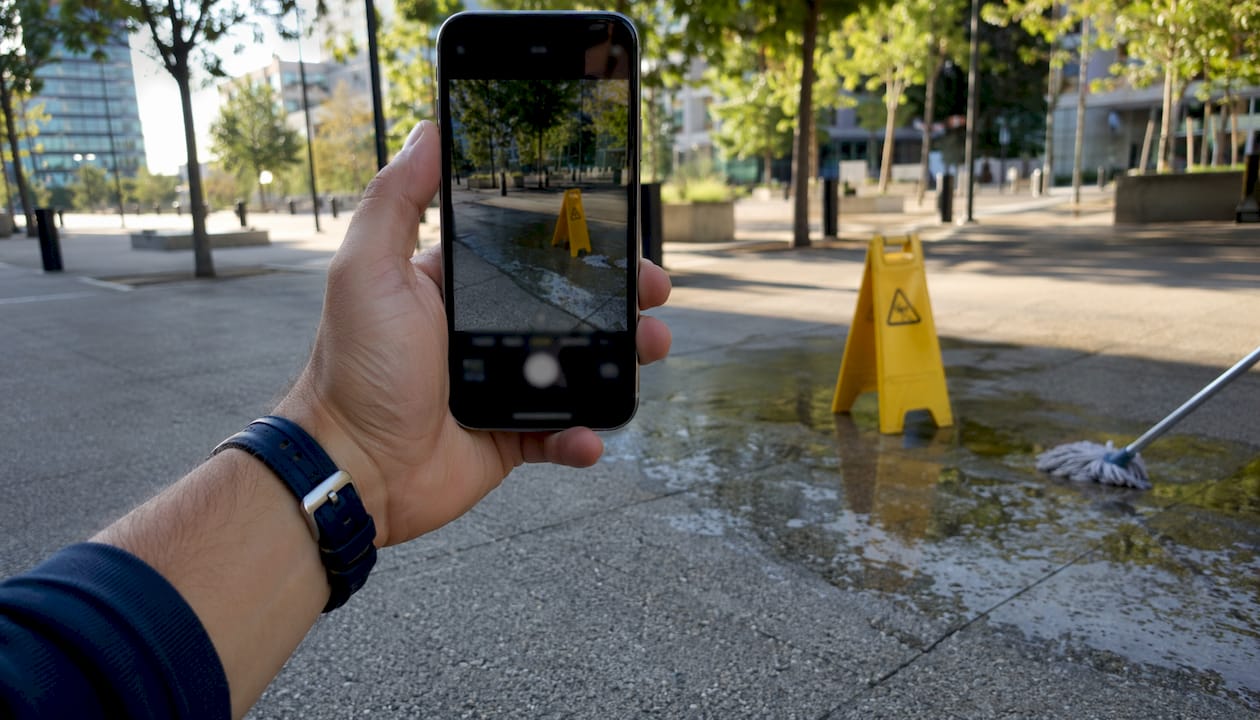
Pro Tip: Photograph the exact hazard that caused your injury before leaving the scene. Property owners often fix problems within hours of an accident, and that evidence may be your strongest asset.
2. How does visitor classification affect liability in premises injury cases?
Your legal status as a visitor is one of the most important factors in a premises liability case. Visitor status determines the level of care a property owner owes you, and misclassifying that status can undermine your entire claim.
- Invitees are people invited onto a property for a business or public purpose, such as shoppers, restaurant guests, or hotel visitors. Property owners owe invitees the highest duty of care. That includes actively inspecting the premises, fixing hazards, and warning visitors of known dangers.
- Licensees enter a property with the owner’s permission but for their own purpose, such as social guests or door-to-door salespeople. Owners must warn licensees of known hazards but are not required to conduct active inspections.
- Trespassers enter without permission and receive the least protection. Owners generally cannot set traps or act with willful disregard for a trespasser’s safety, but they have no duty to inspect or warn.
The attractive nuisance doctrine is a critical exception. It protects child trespassers from hazards that are likely to attract children, such as swimming pools, trampolines, or abandoned machinery. If a property owner knows children may wander onto the property, they must take reasonable steps to secure those hazards.
Some states have moved away from rigid classifications and now apply a general reasonable care standard to all visitors. Florida still uses the traditional three-tier system, so establishing your exact status at the time of injury matters greatly to your case outcome.
Pro Tip: If you were on a property for any business-related reason, you likely qualify as an invitee. That classification gives you the strongest legal footing, so document why you were there.
3. What legal elements must be proven in a premises liability claim?
Every successful premises liability claim rests on four elements. Missing even one can end your case before it reaches a jury.
- Duty of care. The property owner or manager must have owed you a legal duty based on your visitor status and the nature of the property.
- Breach of duty. The owner must have failed to meet that duty, whether by ignoring a known hazard, failing to inspect, or not posting adequate warnings.
- Causation. The breach must have directly caused your injury. This link often requires eyewitness testimony or expert analysis to establish clearly.
- Damages. You must have suffered actual harm, including physical injury, medical expenses, lost wages, or emotional distress.
The most contested element in most cases is notice. Property owners are liable only if they knew or should have known about the hazard before your injury occurred. Actual notice means the owner was directly informed of the problem. Constructive notice means the hazard existed long enough that a reasonable inspection would have revealed it.
The notice requirement is where most premises liability claims are won or lost. A spill that existed for two minutes is treated very differently from a cracked sidewalk that has been there for six months. The longer a hazard persists without correction, the stronger the argument that the owner should have known about it and acted.
Surveillance footage, incident reports, maintenance logs, and prior complaints are all powerful tools for proving notice. Comparative negligence also plays a role. If you were partially at fault, such as by ignoring a visible warning sign, your compensation may be reduced proportionally under Florida’s modified comparative fault rule.
4. What are some less common or overlooked types of premises liability cases?
Several categories of premises injury cases receive far less public attention but carry the same legal weight as slip and fall claims.
- Amusement park injuries. Ride malfunctions, restraint failures, and poorly maintained attractions can cause catastrophic injuries. Operators owe a high duty of care given the inherent risks of their business.
- Defective stairways and handrails. Broken steps, missing railings, and inadequate lighting on stairways cause serious falls. These defects often reflect long-term neglect rather than a sudden hazard.
- Asbestos and mold exposure. Older buildings may contain asbestos insulation or chronic mold growth. Landlords who conceal or ignore these conditions face liability for the long-term health consequences tenants suffer.
- Rental property and common area hazards. Landlords are responsible for maintaining shared spaces like hallways, parking garages, and laundry rooms. Defects in these areas that cause injury fall squarely on the property owner.
- Parking lot accidents. Poor lighting, unmarked speed bumps, crumbling pavement, and inadequate security in parking areas create real injury risks. Parking lot injuries are often dismissed as minor, but they can involve serious falls and vehicle-related incidents.
- Improperly maintained public spaces. Government-owned sidewalks, parks, and transit facilities carry their own liability rules, including strict notice requirements and shorter filing deadlines.
| Case Type | Common Liable Party |
|---|---|
| Amusement park injury | Park operator or ride manufacturer |
| Mold or asbestos exposure | Landlord or property management company |
| Rental property common area | Building owner or property manager |
| Parking lot accident | Property owner or business operator |
| Defective stairway | Building owner or maintenance contractor |
Liability extends beyond traditional landowners to tenants, business operators, and management firms that control or benefit from a property. Identifying the correct responsible party is one of the most complex steps in these cases.
Key Takeaways
Premises liability cases succeed when claimants prove duty, breach, causation, and damages, with visitor status and timely evidence collection determining the outcome in most disputes.
| Point | Details |
|---|---|
| Four elements are required | Duty, breach, causation, and damages must all be proven to win a premises liability claim. |
| Visitor status shapes your rights | Invitees receive the strongest legal protection; trespassers receive the least, with exceptions for children. |
| Notice is the hardest element | Proving the owner knew or should have known about the hazard is where most claims succeed or fail. |
| Evidence disappears fast | Photograph hazards immediately, because property owners often fix conditions within hours of an accident. |
| Liability goes beyond landowners | Tenants, managers, and business operators can all be held responsible for unsafe property conditions. |
What I’ve learned from watching premises liability cases go wrong
After working alongside trial attorneys on serious injury cases for years, the pattern I see most often is this: people wait too long to act, and the evidence they need is gone by the time they call a lawyer.
Property owners fix hazards immediately after accidents. That is not a coincidence. It is standard risk management. The cracked tile gets replaced. The wet floor gets dried. The broken railing gets repaired. Without a photograph taken at the scene, proving the condition existed at all becomes an uphill battle.
The second mistake I see is underestimating visitor classification. People assume that because they were hurt on someone else’s property, they automatically have a case. That is not how the law works. If you were somewhere you were not supposed to be, your claim faces a much higher burden. Knowing your status before you speak to an insurance adjuster matters more than most people realize.
The third mistake is talking to the property owner’s insurance company without legal representation. Adjusters are trained to minimize payouts. They ask questions designed to establish your comparative fault. Anything you say can reduce your compensation. A skilled premises liability attorney reviews the facts before you say a word to anyone on the other side.
The cases I have seen succeed share one trait: the injured person documented everything immediately, understood their legal status, and got professional guidance before the evidence window closed.
— Jorge
Calillaw’s premises liability practice: protecting your rights after a property injury
If you were hurt on someone else’s property, you deserve to know exactly where you stand legally before making any decisions.
Calillaw’s premises liability attorneys have handled serious injury cases across Florida, from slip and fall accidents in commercial spaces to toxic exposure claims in rental properties. The firm’s Board Certified Civil Trial Lawyer brings decades of courtroom experience to every case, whether that means negotiating a fair settlement or taking the fight to a jury. Calillaw offers a free consultation so you can understand your rights without any upfront cost. Your life has value, and so does your claim. Reach out to Calillaw today and let the firm put its trial-tested judgment to work for you.
FAQ
What is premises liability in simple terms?
Premises liability is the legal duty property owners have to keep their property reasonably safe for visitors. When they fail and someone gets hurt, the injured person may have a legal claim for compensation.
Who can be held liable in a premises liability case?
Liability can extend to landowners, tenants, business operators, and property management companies, depending on who controlled the property and benefited from its use.
How do you prove a premises liability injury claim?
You must prove four elements: the owner owed you a duty of care, they breached that duty, the breach caused your injury, and you suffered actual damages. Surveillance footage and witness statements are among the strongest forms of evidence.
Does visitor status really affect my claim?
Yes. Invitees receive the highest duty of care, licensees a moderate duty, and trespassers the least protection. Your classification at the time of the injury directly shapes what the property owner was legally required to do for your safety.
How long do I have to file a premises liability claim in Florida?
Florida’s statute of limitations for most personal injury claims, including premises liability, is two years from the date of injury. Missing this deadline typically bars your right to recover compensation entirely.


